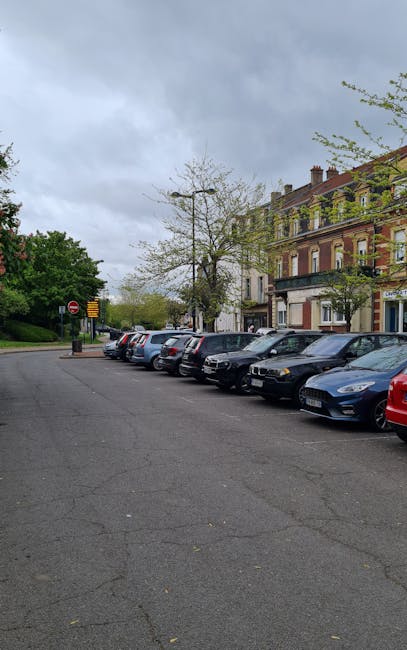
Canbury Gardens removals Kingston access and parking tips
If you are planning a move around Canbury Gardens in Kingston, the tricky bit is often not the lifting. It is the access. Narrow streets, parking pressure, busy school-run times, awkward turning space, and the simple question of where a van can actually stop can turn a straightforward move into a stressful morning. That is why practical Canbury Gardens removals Kingston access and parking tips matter so much. Get them right, and the day feels calmer. Get them wrong, and you are juggling boxes while a driver circles the block. Not ideal, really.
This guide walks through the local realities, the usual access problems, and the smartest ways to plan a removal in and around Canbury Gardens. You will find step-by-step advice, a checklist, useful comparisons, and the little details that can save time on the day. If you are weighing up a full house move, a flat move, or a smaller van-assisted job, this should help you make decisions with a bit more confidence.
Table of Contents
- Why Canbury Gardens removals Kingston access and parking tips Matters
- How Canbury Gardens removals Kingston access and parking tips Works
- Key Benefits and Practical Advantages
- Who This Is For and When It Makes Sense
- Step-by-Step Guidance
- Expert Tips for Better Results
- Common Mistakes to Avoid
- Tools, Resources and Recommendations
- Law, Compliance, Standards, or Best Practice
- Options, Methods, or Comparison Table
- Case Study or Real-World Example
- Practical Checklist
- Conclusion
- Frequently Asked Questions
Why Canbury Gardens removals Kingston access and parking tips Matters
In a move, access is not just a background detail. It shapes the whole day. If the vehicle cannot park close enough, every item has to travel further. That means more time, more effort, and a higher chance of knocked walls, scraped furniture, or tired people making rushed decisions. In residential areas around Canbury Gardens, the practical challenge is usually not one huge obstacle. It is lots of smaller ones: tight road space, mixed parking rules, and the need to keep neighbours happy while the move happens.
Kingston is lively and residential in equal measure, which means loading and unloading can be straightforward one minute and surprisingly awkward the next. A van that fits in theory may still struggle in practice if cars are already parked tight to the kerb or if the street narrows at the wrong point. To be fair, that is normal in many London neighbourhoods. The trick is to plan for the real street, not the map version of it.
Good parking and access planning also helps you protect your timings. Removal crews usually work to a schedule, and delays tend to snowball. A ten-minute wait for a suitable stop can become a half-hour shuffle if nobody has checked the street layout, bay restrictions, or the best place for boxes to be staged. Once the day starts sliding, the mood changes too. You can feel it.
There is also a neighbourly side to this. If a van blocks a driveway, sits too long in a tight bay, or causes a row of cars to back up, tensions rise quickly. Small acts of planning make a difference: clear communication, sensible booking times, and a loading approach that keeps pavement use safe and disruption low.
Practical takeaway: the smoother the parking and access plan, the faster the move, the less physical strain on the team, and the fewer last-minute surprises you have to deal with.
How Canbury Gardens removals Kingston access and parking tips Works
Think of local removals planning in three layers: the street, the property, and the move schedule. Each layer needs a quick check before moving day. When they line up well, everything feels easy enough. When one layer is ignored, problems tend to appear at the worst possible moment, usually when someone is carrying a bulky sofa and muttering under their breath.
1) Check the street conditions
Start by looking at the approach roads around your property. Is there enough width for a van? Are there bends, parked cars, low trees, speed humps, or pinch points? Can a larger removal lorry reasonably stop without blocking traffic? If the answer is uncertain, do a test walk at the same time of day your move will happen. Morning and evening can feel like different streets altogether.
2) Understand parking restrictions
Parking around Kingston residential roads may involve permit bays, shared-use spaces, short-stay restrictions, or loading limitations. The exact arrangement depends on the road, so avoid assumptions. A space that looks "fine for five minutes" may not be suitable for a removal vehicle, especially if you need repeat loading and unloading over a longer period.
3) Match the vehicle to the access
Not every move needs a full-sized lorry. Sometimes a smaller van or a shuttle approach works better, especially where access is tight. A man and van service can be a sensible fit for smaller moves, student moves, awkward flats, or a stop-start load where a larger vehicle would simply be too much for the road.
4) Plan the loading order
The best removal teams do not just carry items out. They stage the move. That means deciding which boxes, furniture, and fragile items should go first, what needs to be dismantled, and where items should be placed so they can be loaded efficiently. This matters even more when parking is tight, because you want every trip to count.
5) Build in a timing buffer
Real-world access is rarely perfect. Cars may still be parked where you hoped to stop. A neighbour may be loading a pram. A delivery van may arrive. A little buffer time gives the move room to breathe, and that is often what saves the day. It is not glamorous, but it works.
Key Benefits and Practical Advantages
When you put proper thought into access and parking, you get more than just convenience. You get a move that feels controlled rather than chaotic. That makes a real difference, especially if you are moving with children, pets, older relatives, or a work schedule that does not leave much wiggle room.
- Less lifting distance: If the vehicle is close, items travel fewer steps and there is less chance of bumps and drops.
- Faster loading: Better parking means a more efficient loading sequence, which saves time and energy.
- Lower stress: The team can focus on handling items properly rather than fighting the street.
- Reduced damage risk: Fewer awkward turns and less carrying distance usually means fewer accidents.
- Better neighbour relations: Good planning keeps the move cleaner and less disruptive.
- More accurate quotes: If access is understood early, pricing and staffing can be matched more sensibly to the job.
There is another benefit people do not always talk about: dignity. A well-run move feels organised. Boxes are labelled, the van is sensibly placed, and nobody is improvising in the rain with a wardrobe that refuses to fit through a hallway. Small thing, maybe, but it helps.
Who This Is For and When It Makes Sense
This kind of guidance is useful for anyone moving in Canbury Gardens or nearby parts of Kingston, but some people will feel the difference more sharply than others. If your property is in a terrace, a converted flat, a maisonette, or a road with limited waiting space, access planning becomes especially important.
It also makes sense if you are moving:
- from a top-floor flat with stairs but no lift
- from a home with limited front-garden space
- during a weekday when parking turnover is high
- with a larger family house worth of furniture
- with fragile or bulky items that need careful loading
- with a tight deadline, such as a completion day or tenancy end date
If you are only moving a few items, the pressure is lighter, but not gone. A small move still needs a sensible stopping point, especially if the street is narrow or already busy. In those cases, a small removals option can be a practical middle ground.
Truth be told, some people only realise how much access matters when they see the van in front of the house and think, "Hmm, that looked wider on the listing." Happens more than you might expect.
Step-by-Step Guidance
Here is a simple way to handle removals planning around Canbury Gardens without overcomplicating it. Keep it practical. Keep it calm. That is usually enough.
Step 1: Walk the route from door to vehicle stop
Do this before the move, not on the morning itself. Look at where the van could stop, how far items would need to travel, and whether there are any obstacles like steps, railings, or tight corners. You do not need a measuring tape for everything, but a rough sense of distance is very useful.
Step 2: Check parking availability at the likely move time
Try to view the street at the same time of day your removal will happen. The morning school rush, lunch-time turnover, and evening resident parking can each produce different conditions. A street that looks fine on a quiet Sunday may be much less forgiving on a weekday.
Step 3: Decide what vehicle size actually suits the job
This is where people sometimes overestimate. Bigger is not always better. A larger vehicle may reduce trips, but if it cannot park near the property, it can slow the whole process. If your access is tight, the best option may be a smaller van or a staged load with multiple trips.
Step 4: Separate the easy items from the awkward ones
Large mirrors, wardrobes, mattresses, glass tables, and heavy appliances can all affect loading order. Make sure the crew knows which items are delicate or need dismantling. If you are using packing services, this can also make the move more efficient because boxes arrive better protected and easier to stack.
Step 5: Reserve the front-end time for access setup
The first part of the day should not be rushed. Give yourself time to open gates, move personal cars, clear the path, and confirm the best stopping position. It is much easier to start neatly than to fix a rushed beginning later.
Step 6: Keep essentials separate
Make sure documents, keys, chargers, water, snacks, and any immediate-use items are easy to grab. When access is awkward, the move can take a bit longer than expected. Having the essentials to hand keeps the day from feeling messy.
Step 7: Reassess once the van arrives
Sometimes the best plan changes slightly when you see the actual vehicle in place. That is normal. You may notice a better angle for parking or a safer route for carrying items. A calm adjustment is far better than forcing a bad setup because it was the original idea.
Expert Tips for Better Results
There are a few habits that consistently make local removals easier. None of them are dramatic. That is the point.
- Book with access in mind, not just item count. Ten items in a tight street can be harder than thirty items in a wide one.
- Use labels that tell the crew more than the room name. "Fragile glass," "open first," or "heavy" is more helpful than a simple "kitchen."
- Keep a clear path in the property. Shoes, plant pots, bins, and loose rugs all become little trip hazards when the pace picks up.
- Protect the corners. Hallways and door frames often take the first knocks, especially in older buildings with tighter turns.
- Ask about insurance and handling expectations. A sensible provider should be able to explain how they approach item protection and loading care. If you are moving higher-value items, the details matter.
- Think about a storage stop if timing is messy. If completion times or tenancy overlaps do not line up neatly, removals and storage can take the pressure off and stop the whole move from becoming a domino chain of problems.
One practical observation from real moves: the first five minutes often predict the rest of the day. If the van is well placed, the route is clear, and everyone knows the plan, the whole job tends to settle. If the first five minutes are chaotic, well, you can usually feel that too.
And yes, the kettle should go somewhere obvious. That part is not technical, but it helps morale more than people admit.
Common Mistakes to Avoid
A lot of moving stress comes from small avoidable errors. These are the ones that show up again and again.
Assuming parking will sort itself out
This is probably the biggest one. Parking rarely sorts itself out. If you leave it to chance, the driver may have to stop further away than expected, which adds time and effort straight away.
Choosing the wrong vehicle size
Large vehicles are not automatically the answer. In a tight Kingston street, a smaller, more manoeuvrable vehicle may be the smarter choice. Less heroics, more practicality.
Ignoring nearby traffic patterns
If there is school traffic, commuter flow, or delivery activity nearby, the street may feel very different at the time of your move. A quiet afternoon is one thing; a busy weekday morning is another.
Not telling the team about awkward access
If there are steps, shared entrances, narrow hallways, or no lift, say so clearly. Removal crews can plan for it. Surprises on moving day are nobody's favourite flavour of surprise.
Leaving packing to the last minute
Late packing creates loose items, weaker boxes, and avoidable delays. If boxes are packed poorly, they take longer to carry and stack. Simple as that.
Forgetting the "what if" question
What if the first stopping place is blocked? What if the bay is full? What if rain starts halfway through loading? A backup plan does not need to be complicated. It just needs to exist.
Tools, Resources and Recommendations
You do not need a van-load of gadgets to plan a move properly, but a few tools can make the process much smoother. Most are basic, which is good. Basic usually means reliable.
- Phone camera: Take photos of access points, parking bays, stairs, and any tricky corners. They are useful when discussing the job with a removals team.
- Notepad or notes app: Keep a simple list of large items, fragile items, and things that need dismantling.
- Labels and marker pens: Clear labelling speeds up unloading and reduces confusion.
- Tape measure: Handy if you want to check whether a sofa or bed frame is likely to fit through a particular space.
- Furniture covers and blankets: Good for protecting items from scuffs, especially on longer carry routes.
- Storage options: If your move date and access situation do not quite line up, secure storage can be a practical fallback while you get the rest of the move organised.
If you are handling documents, business equipment, or items you do not want mixed into the general move, separate storage or specialist handling may help. For example, document storage can be useful where paperwork needs to stay organised and out of the way during a home or office transition.
Law, Compliance, Standards, or Best Practice
For local removals, the most sensible approach is to follow the relevant parking rules, keep walkways safe, and avoid blocking access for residents, emergency services, or pedestrians. That sounds obvious, but in the rush of moving day it is the kind of thing people can overlook. The practical rule is simple: do not assume a stopping place is acceptable unless you know it is.
If you are arranging a van to load on a public road, it is wise to understand whether any permit, loading allowance, or time restriction applies to that street. Councils and local authorities can have different approaches, and the details matter. If you are not certain, check in advance rather than gambling on the day. That saves headaches, and a few awkward conversations too.
Best practice also includes safe handling, sensible weight distribution, and avoiding unsafe lifting. Good movers should work with care, use appropriate equipment where needed, and plan the carry route so items and people stay safe. In our experience, the most professional jobs are the ones that look calm from the pavement. No shouting, no rushing, no needless bravado.
Insurance matters as well. You should know how a removals provider handles item protection, accidental damage, and responsibility during loading and unloading. Insurance and safety information can be a useful starting point when you want to understand the provider's approach to risk and care.
If you are comparing providers or trying to understand service standards, it helps to review the company's stated terms and policies too. Clear booking terms, payment security, complaints handling, and health and safety information are all part of a trustworthy operation. Not exciting, granted, but very useful.
Options, Methods, or Comparison Table
Different moves need different approaches. The best choice depends on the street, the volume of items, and how much room the vehicle has to stop. Here is a simple comparison to help you think it through.
| Option | Best for | Advantages | Trade-offs |
|---|---|---|---|
| Small van move | Smaller homes, flats, short carries, limited parking | Easy to manoeuvre, often better for tight Kingston streets | May need more trips if the load is large |
| Standard removal vehicle | Average home moves with manageable street access | Good balance of capacity and efficiency | Can be awkward if parking is tight or turning space is limited |
| Shuttle or split-load approach | Tight roads, restricted bays, or awkward access | Flexible, helps avoid blocking and improves access | Requires more coordination and sometimes more time |
| Storage first, move later | Timing gaps, refurbishments, delayed handovers | Takes pressure off the day and keeps items secure | Extra handling and an additional step to manage |
If your property sits on a road where parking is likely to be the main issue, a smaller vehicle or a split approach often makes more sense than forcing a bigger lorry into a narrow space. There is no prize for making it harder than it needs to be.
For those moving out of a flat with stairs or limited loading space, a dedicated flat removals approach may be more appropriate than a general all-purpose plan. Likewise, if you are moving a whole home, house removals services can be better suited to larger inventories and more complex access requirements.
Case Study or Real-World Example
Here is a realistic example. A couple moving from a first-floor flat near Canbury Gardens had a decent amount of furniture, but the street was busy enough that parking close to the entrance could not be guaranteed. The property had a narrow staircase, a shared front path, and a couple of awkward corners inside. Nothing dramatic. Just enough to be annoying.
Instead of relying on a larger vehicle and hoping for the best, they planned a smaller van, packed boxes clearly, and kept the largest furniture in a separate group for quick loading. They also moved their own car the night before, so the front space was clearer early in the morning. That tiny decision made the day smoother straight away.
What helped most was not any single trick. It was the sequence. They checked the access, identified the likely stopping point, packed with the carry route in mind, and allowed enough time for the loading to feel unrushed. The move still took effort, of course. Moves do. But it stayed controlled, and there was no last-minute panic about where to park or how to fit a sofa through a gap that was always going to be too tight.
That is the thing with local removals. Good planning does not make the day magical. It just removes the silly problems. And honestly, that is usually what people want most.
Practical Checklist
Use this checklist a few days before the move, then again on the morning itself. It is simple, but simple is often what works.
- Confirm the exact moving date and arrival time.
- Check whether parking outside or near the property is likely to be available.
- Review street restrictions, loading options, and any permit considerations.
- Walk the route from the entrance to the van stop.
- Measure the biggest items if space is tight.
- Label boxes clearly by room and priority.
- Set aside fragile items and essentials.
- Make sure hallways, stairs, and doorways are clear.
- Move personal vehicles if they might block the access point.
- Tell the removals team about anything awkward in advance.
- Keep refreshments and basic supplies easy to reach.
- Have a backup plan if the first parking option is taken.
If you want a move that feels calm rather than frantic, this list goes a long way. It is not glamorous, but it is effective. That counts for a lot on moving day.
Conclusion
Canbury Gardens removals Kingston access and parking tips are really about one thing: reducing friction before it turns into stress. A move is always easier when the vehicle can stop well, the path is clear, and the team knows what the street is likely to throw at them. In Kingston, that local knowledge matters more than people sometimes expect.
If you are moving nearby, take the time to check access, choose the right vehicle size, plan for parking, and keep the packing process organised. Those small decisions add up. They save time, protect your belongings, and make the day feel less like a scramble and more like a job well handled. And that, let's face it, is what most people are really after.
If you are at the stage of comparing options, reviewing services, or simply trying to work out the smartest way to handle a local move, start with the access plan first. The rest usually falls into place more easily after that.
Get a free quote today and see how much you can save.
Frequently Asked Questions
What should I check first for a move near Canbury Gardens?
Start with the parking and access outside the property. Look at road width, likely stopping space, restrictions, and how far items will need to be carried. That first check often tells you whether you need a van, a smaller vehicle, or a shuttle-style plan.
Is parking usually difficult around Canbury Gardens in Kingston?
It can be, especially at busy times or on streets with resident parking pressure. The exact challenge depends on the road, time of day, and how many vehicles are already parked nearby. Checking in advance is always the safer move.
Should I book a smaller van for tight access?
If the street is narrow or stopping space is limited, a smaller van can be a better choice than trying to fit a larger vehicle into a cramped area. It may mean more trips, but the overall move can be smoother and less stressful.
Do I need to arrange parking myself for the removal vehicle?
Often, yes, or at least make sure the plan is clear before moving day. Some streets have restrictions or limited loading options, so it is better to know what is allowed than to rely on guesswork.
How far in advance should I plan access and parking?
Ideally, a few days before the move at minimum. If the property has awkward access, tight stairways, or a busy road outside, it is worth planning earlier so you have time to adapt the vehicle choice if needed.
What if the van cannot park right outside my property?
That is where a sensible loading plan matters. The team may need to stop a little further away and carry items for longer, or use a smaller vehicle if access is tight. It is manageable, but it should be planned rather than improvised.
Are flat moves harder in this area?
They can be, mainly because stairs, shared entrances, and limited outside space make access more complicated. A flat removals approach is often worth considering if your property has those features.
What are the biggest mistakes people make on moving day?
The most common mistakes are assuming parking will be easy, packing too late, not mentioning access issues, and choosing the wrong vehicle size. None of these is dramatic on its own, but together they can slow the whole day right down.
Can storage help if my move date and access timing do not match?
Yes. If there is a gap between leaving one property and entering the next, storage can be a sensible bridge. It keeps items secure and removes pressure from the exact moving day, which is often a relief.
What should I tell the removals team before the move?
Tell them about stairs, narrow doors, parking restrictions, shared entrances, heavy items, fragile items, and any timing constraints. The more accurate the information, the more realistic the plan will be.
Is there a better time of day to move in Kingston?
Often there is. Quieter periods are generally easier for parking and loading, while peak traffic times can make access slower. The best timing depends on the street, so checking the area at the likely move time is very useful.
How do I know if I need removals and storage together?
If you are not moving into the new property on the same day, or if you need to empty the old place before the new one is ready, combining the two can be practical. It gives you breathing room and reduces the chance of a rushed handover.