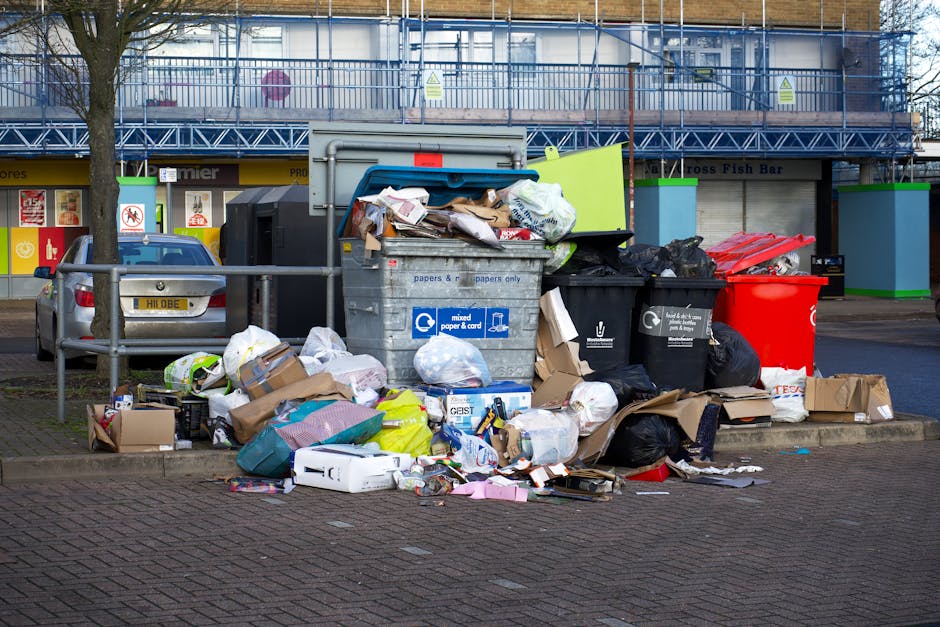
Kingston Council waste disposal rules for removal companies
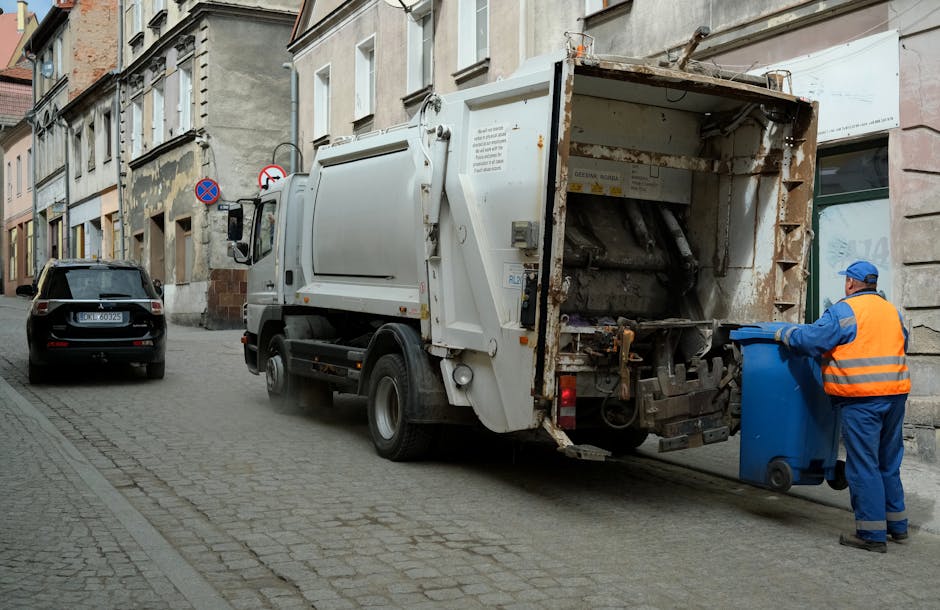
If you move furniture, clear flats, or handle house and office removals in Kingston, the waste side of the job can trip you up faster than the lifting side. Kingston Council waste disposal rules for removal companies are not just about where the rubbish ends up. They affect how you sort waste, what you can carry, how you document it, and whether a job stays tidy, legal, and profitable. Get it wrong and you can end up with awkward delays, extra disposal costs, or worse, a complaint from a customer who thought everything had been taken care of.
That is why this guide breaks the subject down in plain English. You will see how the rules usually work in practice, what removal firms should check before loading a van, and where the real risks sit. If you already run local removals or you are comparing providers, this is the sort of detail that makes the difference between a smooth move and a messy one.
Why Kingston Council waste disposal rules matter
For removal companies, waste disposal is one of those back-end tasks that quietly shapes the whole customer experience. A sofa left on a pavement, a bag of mixed rubbish in the wrong skip, or a load of broken items that nobody agreed to take can all cause trouble. And in a compact local market like Kingston, where access can be tight and neighbours notice everything, the margin for sloppiness is pretty small.
The practical issue is simple: not every item removed from a property is "just rubbish." Some items are reusable, some are recyclable, and some need special handling because they are bulky, hazardous, electrical, or classed as restricted waste. Removal teams need to know which category each item falls into before they decide where it goes.
There is also the customer side. Many people booking removals assume the service includes disposal of unwanted items, but that is not always the case. Sometimes they want a full clear-out, sometimes only transport, and sometimes they are not sure until the last minute. Clear rules help prevent those awkward "we thought you were taking that too" moments. Truth be told, those are the jobs nobody enjoys.
From a business perspective, compliance protects more than your licence to operate. It protects your reputation. A company that handles waste properly tends to look more organised, more trustworthy, and more professional. That matters whether you mainly do house moves, flat removals, or smaller local jobs in and around Kingston.
How Kingston Council waste disposal rules work in day-to-day removals
In practice, council waste rules shape three main parts of the job: what can be taken, where it can go, and how the transfer is documented. The council side may change over time, so removal companies should always check the current local position before carrying out disposal work. That sounds obvious, but you would be surprised how often teams rely on memory from six months ago. That is a bit risky, to say the least.
Most removal jobs involve one of these scenarios:
- Reuse - items are still usable and can be passed on, stored, or resold.
- Recycling - cardboard, metals, some plastics, wood, and certain electrical items may be separated for proper recycling streams.
- Disposal - damaged, contaminated, or non-recoverable waste is taken to an approved disposal route.
- Special handling - fridges, paints, batteries, chemicals, and other restricted items need extra care.
A good removal team will sort waste before it enters the vehicle wherever possible. That means separating clean cardboard from mixed rubbish, keeping reusable furniture away from damaged waste, and identifying anything that needs special treatment. It is easier to do that at the property than after everything is piled into a van in the rain, which, let's face it, is when the job suddenly looks much bigger.
There is also the paper trail. For certain waste movements, especially commercial clearances, companies may need records showing what was collected, where it went, and who handled it. Good records are not just for inspectors. They also help with disputes, customer questions, and internal cost tracking.
If a removal company also offers storage, the process gets even more useful. Items not ready for disposal can be stored securely while the client decides what to keep, donate, or recycle. Services such as secure storage, short-term storage, or removals and storage can reduce unnecessary waste and buy a bit of breathing space during a move.
Key benefits and practical advantages
Following Kingston Council waste disposal rules properly is not only about avoiding fines or complaints. It creates real operational advantages. The best teams know this instinctively. They do not treat disposal as an afterthought; they build it into the move plan from the start.
- Cleaner jobs - less clutter, fewer surprises, less time spent sorting at the kerb.
- Better pricing control - you can quote disposal more accurately when you know what is going.
- Reduced risk - lower chance of fly-tipping, wrong disposal, or handling prohibited waste badly.
- Stronger customer trust - clients like knowing their leftovers are handled properly.
- Improved recycling outcomes - more material is separated for reuse or recycling instead of landfill.
There is a subtler benefit too: better decision-making on site. Suppose a client is clearing a one-bedroom flat and has mixed items at the last minute: a broken chair, two bags of clothing, a lamp, and some paperwork. A trained team can quickly decide what should go into removals, what can be stored, what should be recycled, and what should be treated as waste. That saves time and keeps the move calmer.
For some customers, the most valuable outcome is peace of mind. They do not want to stand in an empty hallway at 6 p.m. wondering whether the old mattress can be left in the vehicle or needs a different route. They just want the job done properly. Fair enough, really.
If the project involves household items that are being held temporarily, household storage can keep belongings safe while the removal company works through disposal and clearance decisions. The same idea often helps with furniture, office stock, or student moves where timings are all over the place.
Who this is for and when it makes sense
This topic matters to more people than you might expect. It is not just for big clearance contractors or council-facing waste teams. If you move things for a living in Kingston, you need at least a working knowledge of the rules and the practical boundaries.
Removal companies need this because they often end up handling waste-like items during a move. A customer may label everything as "take it all," but your responsibility starts where service scope and legal handling meet. A polite conversation up front saves a lot of hassle later.
Man and van operators need it too. Small jobs can be deceptively messy. A single load from a student flat, for example, may include cardboard, kitchen waste, broken furniture, and an old printer. That does not sound dramatic until you are trying to work out where it should go. Services like man and van and small removals often run into these judgement calls.
Home movers benefit because they can plan what to keep, what to store, and what to let go before moving day. This is especially handy when downsizing, moving after a breakup, or shifting between tenancies. A box of "maybe later" items can be the difference between a neat move and a stressful one.
Office and commercial removals have an added layer of responsibility. Paper records, electronics, and office furniture can include sensitive material or regulated components. That is why many businesses pair clearance with office removals, business storage, or document storage rather than trying to force everything into one disposal decision on moving day.
Students and landlords also encounter these rules when a room, flat, or shared house is being cleared at the end of a tenancy. A simple plan usually works best. Keep reusable items separate, remove confidential paperwork, and avoid leaving mixed waste by the front door. That sort of thing tends to become someone else's problem otherwise, and nobody wants that.
Step-by-step guidance
Below is a practical way to handle removal waste in Kingston without turning it into a bigger job than it needs to be.
- Identify the items before moving day.
Walk through the property and note what is going, what is staying, and what is potentially waste. This is especially useful for large furniture, white goods, and mixed bags from lofts, sheds, and garages. - Separate reusable items from rubbish.
Good furniture, working appliances, and clean household goods should not be mixed in with broken or contaminated waste. If an item can be reused, store it, donate it, or keep it for resale if the client wants that route. - Check for restricted waste.
Batteries, paints, solvents, fluorescent tubes, fridges, and some electronics need special care. Do not assume they can be taken with ordinary junk. - Agree disposal responsibility in writing.
Whether the job is a full move or a partial clearance, spell out who is responsible for waste, who pays disposal charges, and what happens if extra items appear on the day. - Use the right vehicle loading method.
Keep fragile, sharp, or leaking items contained. Heavy waste should be secured so it does not shift during transport. Nobody likes the smell of a damp mattress leaking into a van at the end of a long job. Nobody. - Document the transfer.
For commercial and repeat jobs, keep simple records of what was removed, where it went, and any special handling. It does not need to be fancy; it needs to be clear. - Choose the correct disposal route.
Some loads are best recycled, some stored temporarily, and some disposed of. One size does not fit all, which is annoying but true.
A lot of good removals work is really about sequencing. Pack, sort, load, separate, then dispose. If you reverse that order, things get messy quickly. You can usually feel the difference in the first twenty minutes.
Expert tips for better results
After enough moves, you start seeing the same issues over and over. The jobs that go best are usually the ones where someone made a few simple decisions early on. Not glamorous, but effective.
- Ask the disposal question on the first call. Do not wait until the van is on the drive.
- Photograph borderline items. A quick photo can save arguments about condition, size, or contamination.
- Build a "grey area" category. Some items are not obviously waste or keepers. Put them aside for a final decision.
- Protect the client's property. Keep waste separate from items that are being moved into storage or to a new address.
- Bundle disposal with planning. If you are already providing packing services, waste sorting becomes much easier and more predictable.
- Use storage strategically. If the client is unsure about bulky items, temporary storage can avoid rushed disposal choices.
One useful habit is to do a final "walk-back" before leaving. It takes two minutes and catches the classic mistakes: a lamp in the cupboard, a bag in the loft, or a box marked "keep" that somehow slipped into the disposal pile. Happens all the time.
If you are handling a long move or phased move, long-term storage can help separate the immediate transport job from the slower decisions about furniture, paperwork, and household belongings. That reduces pressure, which is usually where disposal errors start.
Common mistakes to avoid
Most problems come from rushing. That is not a moral failing; it is just how removals work when timing gets tight. Still, there are a few patterns worth avoiding.
- Assuming everything can go in one load. Mixed waste often needs separating.
- Not checking restricted items. One battery pack or tin of paint can change the handling requirements.
- Leaving the customer unsure about charges. Disposal costs should not feel like a surprise at the door.
- Mixing storage items with waste. That is a nightmare to unpick later.
- Skipping records on commercial jobs. Even a brief note is better than relying on memory.
- Using vague language in the quote. "Clearance included" sounds nice, but it needs boundaries.
The most frustrating mistake? Underestimating bulky waste. A broken wardrobe can look manageable until it is half dismantled on a narrow landing, and then everybody is suddenly very quiet. Better to check size, access, and disposal route before tools come out.
Tools, resources and recommendations
You do not need a complicated system to handle this well. A few simple tools and routines make a real difference.
| Tool or resource | What it helps with | Why it matters |
|---|---|---|
| Pre-move inventory sheet | Listing items that are moving, staying, storing, or disposing | Reduces confusion on the day |
| Photo checklist | Recording large or questionable items | Helps avoid disputes and missed waste |
| Sorting boxes or labels | Separating reuse, recycle, storage, and waste | Keeps mixed loads under control |
| Customer scope notes | Clarifying what is included in the removal | Prevents surprise disposal requests |
| Temporary storage options | Holding unsure items safely | Buys time for sensible decisions |
On the service side, Kingston customers often look for practical combinations rather than single services. A move that includes house removals, furniture storage, and some recycling or disposal planning is often smoother than trying to do everything in one sweep.
For businesses, office storage can be especially helpful when desks, files, and equipment need to be kept safe while the office is decluttered. That is a lot easier than making rushed disposal decisions about equipment the client may still need.
Law, compliance, standards and best practice
This is the part that makes some people switch off, but it is the bit that protects the company. Removal businesses that handle waste should work within the relevant UK waste duty of care principles and any local Kingston requirements that apply to the job. In plain English, that means you should know what you are carrying, avoid illegal dumping, and make sure waste goes to an appropriate place.
Good practice usually includes:
- sorting waste and reusable goods before transport where possible;
- avoiding mixed loads that create compliance or recycling problems;
- keeping clear job notes for commercial clearances;
- treating hazardous or restricted items separately;
- using honest descriptions on quotes and invoices;
- training staff so they can identify common waste categories quickly.
Insurance and safety matter too. A provider should not only know how to dispose of items properly; it should also know how to lift, carry, and load them safely. If a clearance job involves awkward wardrobes, glass, white goods, or office furniture, safe handling is part of compliance rather than a separate extra. You can read more about the company's approach through insurance and safety and its health and safety policy.
For environmentally minded customers, disposal planning should sit alongside recycling. That does not mean every item gets recycled; some simply cannot. But it does mean the company should try to keep useful items in circulation and reduce avoidable waste where sensible. The recycling and sustainability approach should feel practical, not performative.
Options, methods and comparison table
When a removal team has waste or unwanted items to handle, there are usually a few routes to choose from. The best one depends on the item type, timing, and whether the customer needs temporary holding space.
| Method | Best for | Pros | Trade-offs |
|---|---|---|---|
| Direct disposal | Broken, contaminated, or non-reusable waste | Quick and straightforward | Less flexible if the customer changes their mind |
| Reuse or donation route | Good-condition furniture and household items | Reduces waste and can save money | Needs planning and a bit more time |
| Recycling separation | Cardboard, metal, some wood, electronics and clean materials | Better environmental outcome | Requires sorting and correct handling |
| Temporary storage | Items the customer has not decided on yet | Reduces rushed choices | Costs extra and needs clear labelling |
| Full removals and storage package | Moves with staggered timing or unclear keep/dispose decisions | Very flexible and tidy | Requires more coordination |
For many customers, the most sensible answer is a blend of methods rather than one single route. A family downsizing in Kingston may want some items moved straight away, some held in short-term storage, and a few damaged pieces taken away for disposal. That is normal. Actually, it is probably the most common pattern.
Case study or real-world example
Imagine a two-bedroom flat clearance near the town centre. The client is moving out at short notice and wants the property emptied before handover. In the hallway there is a bookcase, a mattress, three sacks of mixed household goods, an old printer, a lamp, and a box of paperwork they are not sure about.
A well-run removal company would not just throw everything into the van and hope for the best. It would likely do something like this:
- tag the paperwork for review rather than disposal;
- separate the bookcase as reusable or recyclable depending on condition;
- identify the printer as electronic waste needing the correct route;
- treat the mattress as bulky waste with a known disposal cost;
- keep any saleable or reusable items apart from rubbish;
- confirm with the client whether any items should go into storage instead.
That approach takes a little longer up front, but the job usually ends more smoothly. The customer feels informed, the crew avoids confusion, and the company keeps the disposal side clean. In our experience, that is the sort of job people remember for the right reasons. The move feels calm. Not perfect, just calm enough.
Sometimes the best solution is not disposal at all. If the customer has a delay before completion, or if they are undecided about a few pieces of furniture, mobile self storage can be a helpful middle ground while the final decision is made. That is a much better outcome than binning something in haste and regretting it later.
Practical checklist
Use this before, during, or after a Kingston removal job that involves waste or unwanted items.
- Check the job scope. Does the customer want removal only, removal plus disposal, or removal plus storage?
- List everything that may be waste. Include bulky, broken, and hidden items.
- Separate reuse, recycle, store, and dispose. Keep categories clear from the start.
- Identify restricted items. Batteries, liquids, electronics, paints, and appliances need extra care.
- Confirm access and loading points. Narrow stairs and parking restrictions matter.
- Agree charges before the van arrives. Nobody likes surprises at the end of a tiring day.
- Use the right storage option if the decision is not final. Temporary storage can prevent rushed disposal.
- Keep basic records for commercial or repeated work. A simple log is often enough.
- Check that the disposal route is suitable. Not all waste can be handled in the same way.
- Do a final property walk-through. Catch the stray bag, charger, or drawer full of odds and ends.
If a job is especially tight on time, a service like local removals can be planned with storage and disposal in mind from the outset. That often saves a lot of back-and-forth.
Conclusion
Kingston Council waste disposal rules for removal companies are really about doing the job properly: sorting items, choosing the right route, and being clear with customers before anything leaves the property. Once those basics are in place, the rest becomes much easier. Jobs run cleaner, people get fewer surprises, and the company looks far more reliable.
The best removal firms do not treat waste as the awkward extra. They treat it as part of the plan. That small shift in thinking changes everything. It makes the work safer, tidier, and easier to explain. And in a local market, that counts for a lot.
Get a free quote today and see how much you can save.
And if you are still deciding what should be moved, stored, or cleared, take your time. A steady, sensible approach usually wins. That is often true in removals, and honestly, in life too.
Frequently Asked Questions
What do removal companies need to know about Kingston Council waste disposal rules?
They need to know which items can be reused, recycled, stored, or disposed of, and how to handle restricted waste safely. They should also keep clear records where needed and avoid leaving customers unclear about what is included.
Can a removal company take household rubbish as part of a move?
Sometimes yes, but only if the service scope and disposal route are clear. Mixed household rubbish, bulky waste, and special items may need separate handling, so it should never be assumed.
Do all unwanted items have to be treated as waste?
No. Plenty of items are reusable or suitable for storage. Furniture, appliances, paperwork, and household goods may be better kept aside until the customer decides whether to keep, store, or dispose of them.
How should a removal company deal with electronics and white goods?
They should identify them early and check whether they need special handling. Some electrical items can be recycled, while others need careful disposal because of size, contents, or component type.
What happens if a customer adds extra items on moving day?
The company should reassess the load, confirm any extra disposal cost, and decide whether the items are moving, storing, recycling, or being disposed of. A quick written confirmation avoids arguments later.
Is it better to store items or dispose of them straight away?
It depends on certainty. If the customer is undecided, storage is often the safer option. If an item is clearly broken, unusable, or contaminated, disposal may be the right route.
Do removal companies need records for disposal jobs?
For commercial or repeat work, records are very helpful and often expected as part of good practice. Even for household jobs, a simple note of what was taken and where it went can reduce confusion.
What is the biggest compliance risk for removal companies?
Usually it is poor sorting or sending waste to the wrong route. Fly-tipping, illegal dumping, and mishandling restricted items are the serious risks nobody wants near their business.
How can a customer make disposal easier for the removals team?
By separating keep, store, and dispose items before the crew arrives. Labelling boxes, clearing access, and flagging restricted items like batteries or paint also helps a lot.
Are storage services useful when dealing with waste and unwanted items?
Yes, very. Storage gives people time to make better decisions and keeps items out of the waste stream until they are ready. That is especially handy during downsizing, staging, or delayed completions.
What should a good removals quote include about waste disposal?
It should state whether disposal is included, what kinds of items are covered, and whether extra charges apply for bulky, special, or unexpected waste. Clear wording prevents the usual last-minute headache.
Can office moves involve waste disposal rules too?
Absolutely. Office removals often involve paper records, electronics, desks, chairs, and packaging waste. Many businesses also need document handling and storage so they can separate what is kept from what is cleared.
What is the safest approach when the rules are unclear?
Pause and check before loading. If there is any doubt about an item, treat it separately until you know whether it should be recycled, stored, or disposed of. Rushing is where mistakes usually start.