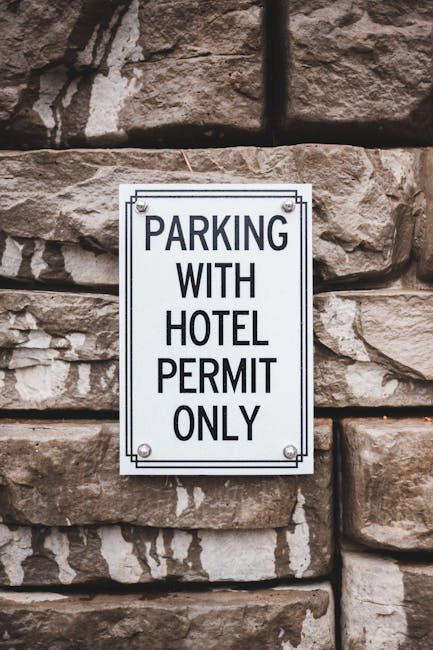
Norbiton Removals Kingston Council Parking Permit Rules: A Practical Moving Day Guide
If you are moving in Norbiton, the parking side of the job can be the bit that throws everything off. Vans arrive, boxes are stacked by the door, a neighbour is eyeing the kerb, and suddenly the question becomes: what do Kingston Council parking permit rules actually mean for a removals day? That is exactly what this guide breaks down.
Whether you are planning a flat move near Norbiton station, a family house move on a busier residential street, or a same-day handover with tight access, understanding Norbiton removals Kingston Council parking permit rules can save time, money, and a lot of faffing about. Truth be told, parking is one of those details people leave too late. Then it rains, the van is double-parked, and everyone is stressed.
This article explains how the permit process usually works, why it matters, what to check before moving day, and how to avoid the common headaches that come with controlled parking zones, visitor bays, and temporary suspensions. You will also find a step-by-step checklist, practical examples, and a comparison table to help you decide the smartest route for your move.
Table of Contents
- Why Norbiton removals Kingston Council parking permit rules Matters
- How Norbiton removals Kingston Council parking permit rules Works
- Key Benefits and Practical Advantages
- Who This Is For and When It Makes Sense
- Step-by-Step Guidance
- Expert Tips for Better Results
- Common Mistakes to Avoid
- Tools, Resources and Recommendations
- Law, Compliance, Standards, or Best Practice
- Options, Methods, or Comparison Table
- Case Study or Real-World Example
- Practical Checklist
- Conclusion
- Frequently Asked Questions
Why Norbiton removals Kingston Council parking permit rules Matters
Parking is not just an admin box to tick. For a removal team, it can be the difference between a smooth two-hour loading window and a day that drags on far longer than it should. In Norbiton, as in much of Kingston, local streets may have controlled parking, permit bays, visitor rules, loading restrictions, or narrow residential access that can complicate a move very quickly.
If your removals van cannot park close enough to the property, every box and bit of furniture has to travel further. That means more carrying, more time, more labour, and more chance of damage. A long walk from the van to the front door sounds minor until you are moving a wardrobe down a narrow pavement while a neighbour needs to get out and the lift in the building is already busy. Not fun.
The rules matter for residents too. If a removals vehicle parks somewhere it should not, you may be facing a penalty, a complaint from a neighbour, or a rushed last-minute move of the van. Even worse, if the vehicle is blocked in or ticketed, the schedule can unravel. That is why understanding the local parking setup before move day is not optional. It is part of the move.
For anyone comparing moving support in the area, it also helps to think beyond the permit itself. Parking planning is one part of a wider moving strategy that includes access, packing timing, and property layout. If you are also sorting decluttering or a larger house clearance, pages like house clearance services and professional packing help can be useful places to start.
How Norbiton removals Kingston Council parking permit rules Works
In plain English, the process usually comes down to three things: where the van can legally stop, whether a permit or dispensation is needed, and how long the vehicle needs access. The exact rules depend on the street, the type of bay or restriction in place, and what Kingston Council allows for that location.
Here is the practical reality: some streets may allow loading for a short period; others may require a visitor permit, a resident permit, or a separate temporary arrangement; and some may have stricter controls where a suspension or special authorisation is needed. The details can vary street by street. That is why you should never assume a nearby road follows the same rule as yours. It often does not.
In a typical removals scenario, the sequence looks like this:
- Check the parking restriction on your street and near the property.
- Confirm whether the removals van will need to park in a permit bay, loading bay, or controlled area.
- Find out whether Kingston Council requires advance notice or an application for temporary access.
- Plan the moving window to fit the permitted time and any restrictions on the bay.
- Prepare signs, paperwork, and confirmation details so the driver can act quickly on arrival.
A good removals team will usually ask about access early on, not the night before. That is a sign they know what they are doing. If they do not ask, you should bring it up yourself. Simple, but easy to miss when you are focused on packing the kettle and finding the charger for the fifth time.
If you are moving within a wider local area, you may also want guidance on route planning and timing. Our Kingston upon Thames removals guide can help you understand common access issues across the borough, while office removals support is useful if your move also involves business equipment or files.
Key Benefits and Practical Advantages
Getting the parking side right can seem like one small win, but the knock-on effect is bigger than most people expect. A well-managed parking plan can reduce stress, lower costs, and help the entire move stay on schedule.
- Less wasted time: The van can park closer to the entrance, so loading and unloading are quicker.
- Lower labour effort: Movers spend less time carrying heavy items over a distance.
- Reduced risk of damage: Fewer steps, turns, and awkward carries mean fewer chances to chip furniture or walls.
- Fewer parking fines or disputes: A correct permit or approved arrangement reduces avoidable enforcement problems.
- Better neighbour relations: Nobody loves a blocked street at 8:00 a.m., but a planned move is easier for everyone to accept.
- More accurate quotes: When access is clear, removal companies can estimate time and crew needs more reliably.
There is also a hidden benefit: peace of mind. Once the parking piece is sorted, the day feels more under control. You may still be knee-deep in boxes, but at least the van has somewhere proper to sit. And honestly, that changes the mood of the whole move.
Who This Is For and When It Makes Sense
This topic matters to a wide range of movers, not just people with tricky streets or busy roads. In Norbiton, the parking question can affect anyone moving in or out of:
- flats with permit-only bays
- terraced houses on narrow residential roads
- properties near station-adjacent roads with high traffic
- homes where large vans cannot easily turn
- moves involving storage units, multiple trips, or larger furniture
It also makes sense if you are coordinating a move for a relative, a tenant, or a client and need to keep the process tidy. Let's face it, some moving days are straightforward in theory and a bit messy in practice. If there is any doubt about parking, it is worth sorting early.
For landlords and letting agents, this is especially helpful when organising tenancy changes. If access planning is part of a broader property handover, the right local support can save everyone time. You may also find our end of tenancy cleaning page useful if you are trying to coordinate the move-out sequence neatly.
Step-by-Step Guidance
If you want the simplest practical approach, follow these steps. They are not glamorous, but they work.
1) Check the street signs first
Start with what is physically on the road. Look for permit signs, loading restrictions, yellow lines, time limits, or bay markings. Street signs are the first clue to whether the van can stop near the property and for how long.
2) Confirm the council position
Kingston Council may have specific arrangements for controlled parking, temporary suspensions, or permits in certain streets. Check the relevant council information before assuming a removal vehicle will be treated like any other visitor vehicle. It may not be. Councils can be more specific than people expect.
3) Ask your removals company what they need
A professional team should be able to tell you what kind of access they prefer and what details they need from you. Sometimes it is enough to have a legal place to park nearby. Sometimes a more formal arrangement is wiser. If they have done local moves before, they may already know the common pinch points on your street.
4) Build the move around the access window
Do not leave the van arrival time as a vague guess. Tie it to the permit hours, building access times, lift availability, and any loading restrictions. If your parking period is short, the move-out boxes should be ready before the van arrives. Waiting around with a full crew is expensive and annoying, frankly.
5) Prepare proof and paperwork
Keep the permit confirmation, vehicle details, contact numbers, and any council reference handy. If a bay suspension or special arrangement has been approved, print or save the confirmation so it can be shown quickly if needed. A driver should not be hunting through emails while a ticket officer walks over. That is the kind of moment nobody wants.
6) Recheck the day before
Parking arrangements can be affected by roadworks, temporary signs, or local changes. A final check the day before is sensible. In London, things do change. Sometimes overnight, which is maddening but true.
If your move also involves bulky items, see our furniture removals page for practical help with heavy or awkward pieces.
Expert Tips for Better Results
Small adjustments can make a big difference. These are the kinds of details that tend to separate a calm move from a chaotic one.
- Reserve the closest legal space you can: Even if the van can technically park further away, closer is usually better for speed and safety.
- Plan for the worst-case carry distance: Assume a second person may have to guide the route from van to door. Wet weather makes this more awkward than people expect.
- Use printed notes for the driver: House number, entrance details, and any gate codes can save valuable minutes.
- Tell neighbours if the street may be busy: A quick heads-up can prevent misunderstandings, especially on quieter residential roads.
- Move your own car early: Do not leave personal vehicles blocking the access point by accident. It happens more often than people admit.
- Ask about multi-vehicle moves: If your job uses more than one van or shuttle runs, parking needs become more important, not less.
Expert summary: The best parking plan is the one that reduces walking distance, protects the legal position, and gives the removals crew a clean, uninterrupted loading slot. That is the sweet spot.
A tiny bit of over-preparation is usually better than under-preparation. In moving terms, over-prepared beats under-prepared every time.
Common Mistakes to Avoid
People usually do not get parking wrong because they are careless. They get it wrong because the moving day list is long and the parking detail feels secondary. Then it turns out not to be secondary at all.
Assuming one street follows the same rules as the next
Norbiton and the surrounding Kingston roads can vary a lot. A permit bay on one road does not tell you what happens two minutes away.
Leaving permit questions until the last minute
If you are trying to arrange parking the day before a move, you may find options are limited. Early planning gives you more flexibility and fewer surprises.
Forgetting loading time limits
Some restrictions allow loading only for a short period, and those limits can be stricter than people assume. If a move is large, it is safer to check the practical time needed rather than guessing.
Ignoring vehicle size
A small van and a long wheelbase removals vehicle are not the same thing in a tight street. A bay might fit one but not the other. It sounds obvious, but this is one of those details that gets overlooked.
Not coordinating with the building
Flats, managed blocks, and estates may have their own access rules, even if the street itself is fine. This is where jobs get messy if nobody checks both layers.
One more thing: do not rely on memory alone. Write it down. Parking details have a sneaky habit of disappearing from your head right when you need them.
Tools, Resources and Recommendations
You do not need a complicated toolkit, but a few simple resources make the whole process easier.
- Street view or a site visit: Useful for spotting narrow sections, signposts, and turning space.
- Kingston Council parking information: Essential for checking the latest local position on controlled parking and temporary arrangements.
- Removal quote notes: Keep a written summary of access details so the team can assess the job properly.
- Phone camera: A quick picture of the road sign or bay marking can save confusion later.
- Box labels and floor plan: Not parking tools, technically, but they speed up unloading once the van is in place.
If you are still comparing moving support, it may help to review packing services and man and van options alongside full removals. Sometimes the smarter choice is not the biggest vehicle or the most expensive option, but the one that matches the street layout and volume of belongings.
A practical recommendation: keep one document or note with all the key moving information in one place. Address, contact details, parking notes, council reference, access codes, and any special instructions. It sounds basic. It is basic. But basic things save days like this.
Law, Compliance, Standards, or Best Practice
Parking rules sit within local traffic regulation and council enforcement arrangements, so the safest approach is always to follow the current Kingston Council guidance for the street and vehicle involved. Because local rules can change and enforcement can be strict, it is wise not to treat online advice or hearsay as a substitute for checking the latest official information.
From a best-practice point of view, a removals vehicle should only stop where it is allowed to stop. That means checking restrictions, understanding whether loading is permitted, and making sure any temporary arrangements are properly approved. If a council permit, dispensation, or bay suspension is required, it should be arranged in advance rather than guessed on the day.
For households, landlords, and businesses, the safest approach is to document what has been arranged and keep it available on the move day. That can include emails, reference numbers, or screenshots. Clear records help if questions come up, and they help the driver or crew act confidently. No drama. No scrambling.
If you are moving items that require extra care, such as antiques, pianos, or office archives, it is also sensible to use a removals company that understands access planning and packing standards. Our storage solutions page may also be useful if timing gaps mean belongings need to be held temporarily.
Options, Methods, or Comparison Table
Depending on your street and the size of the move, there are usually a few practical approaches. The right one depends on access, timing, and how much risk you want to remove from the day.
| Option | Best for | Pros | Things to watch |
|---|---|---|---|
| Legal on-street parking nearby | Moves with available unrestricted or permitted space close by | Simple, often low hassle, usually quick to arrange | May still require a permit or short walk |
| Permit bay or resident-controlled space | Residential streets with controlled parking zones | Closer access, better loading efficiency | Need to confirm the exact rules and timing |
| Temporary bay suspension or special arrangement | Trickier properties, larger removals, tight streets | Creates a dedicated access point | May require advance planning and council approval |
| Off-street loading area or driveway | Properties with private access | Ideal where available, fewer parking worries | Still check turning space, gate width, and surface condition |
To be fair, the best option is usually the one that keeps the crew moving without forcing awkward compromises. A driveway sounds easy until the van cannot turn, or the slope is too steep, or the gate only opens halfway. Real streets are like that.
Case Study or Real-World Example
Imagine a couple moving out of a first-floor flat in Norbiton on a weekday morning. Their building is on a road with controlled parking, and the removals van needs to stay close enough for a quick lift-assisted load. At first, they assume there will be somewhere nearby because the street "usually has space".
That assumption turns out to be shaky. A school drop-off rush, an early commuter vehicle, and a parked delivery van leave very little room. The couple checks the street signs the day before, confirms the available parking arrangement, and speaks to the removal company. The team adjusts the arrival time, prints the access note, and positions the van in the nearest lawful spot.
The result is not magical. Just smoother. The crew can work without dragging boxes half a street away, the neighbours can still pass, and the move finishes on schedule. Nothing dramatic happened, which is exactly the point. When parking is handled well, the day feels uneventful in the best possible way.
If you have ever been on a move where the van had to circle the block three times while everyone stood in the hallway holding a lamp, you will know why this matters. It is a small detail with big consequences.
Practical Checklist
Use this checklist before moving day. It is simple, but it catches most of the problems people later regret not checking.
- Confirm the street parking restrictions outside the property
- Check whether the removals van can legally stop close to the entrance
- Ask Kingston Council whether a permit, dispensation, or suspension is needed
- Record the vehicle registration details if required
- Agree the loading time window with your removals company
- Check for yellow lines, residents' bays, loading bays, and time limits
- Confirm building access, lift use, and any estate rules
- Keep council confirmation and contact details available on the day
- Move your own car away from the access point
- Do a final street check the day before and again on the morning if needed
Quick takeaway: the earlier you sort the parking, the calmer everything else becomes. That is not marketing fluff; it is just how moving days usually play out.
Conclusion
Getting to grips with Norbiton removals Kingston Council parking permit rules is one of the smartest things you can do before a move. It helps you protect your time, reduce stress, and avoid the awkward surprise of finding the van has nowhere sensible to stop. In a place like Norbiton, where street layouts and parking controls can differ from one road to the next, that early check is worth its weight in boxes.
The best approach is straightforward: confirm the restrictions, plan for the right vehicle access, keep paperwork ready, and give yourself a little breathing room. Not too much complexity. Just enough preparation to make the day run properly. And if you are comparing moving support, look for a team that understands local access issues, not just the lifting and carrying side.
Get a free quote today and see how much you can save.
When the parking is sorted, the move starts to feel manageable again. A bit of planning goes a long way, and on moving day, that calm matters more than people think.
Frequently Asked Questions
Do I need a parking permit for a removals van in Norbiton?
It depends on the street, the type of bay or restriction in place, and whether the vehicle is stopping within a controlled parking zone. Some moves need no special arrangement, while others may require a permit, dispensation, or temporary approval. Always check the specific road first.
How far in advance should I check Kingston Council parking rules?
As early as possible. A few days can be enough in simpler cases, but leaving it late reduces your options. If your street has stricter controls or you need a temporary arrangement, earlier is safer.
Can a removals van use resident parking bays?
Sometimes, but not automatically. It depends on local restrictions and whether loading or a temporary permit is allowed. Do not assume a removals vehicle gets a free pass just because it is only there for a short time.
What if my street is too narrow for a large van?
You may need a smaller vehicle, a shuttle arrangement, or a parking plan that places the van slightly further away. This is where advance planning helps. A good removals company should be able to suggest a practical approach.
Are parking suspensions available for house moves?
In some cases, councils may allow a temporary suspension or special arrangement, but eligibility and process depend on the location and current council policy. You should check with the council rather than relying on assumptions.
What happens if the van gets a parking ticket on moving day?
That can add stress, delay, and cost. If the stop was not properly authorised, the ticket may stand. This is why accurate parking checks matter so much before the crew arrives.
Should I ask the removals company about parking or handle it myself?
Ask both sides. You should understand the local parking position, and the removal company should know what access they need. Good communication reduces mistakes and last-minute confusion.
Do I need to tell neighbours about the move?
It is not always required, but it is often helpful in residential streets. A quick heads-up can make the day friendlier, especially if a van may briefly occupy a limited space or block part of the road while loading.
What documents should I keep ready on the day?
Keep any council confirmation, permit reference, vehicle details, contact numbers, and instructions for the crew in one easy-to-find place. If something needs to be shown quickly, you will be glad it is not buried in your inbox.
How do I choose between a full removals service and man and van for a Norbiton move?
Think about access, volume, and how much packing help you need. A full removals service can be better for larger homes or tricky parking, while a man and van option may suit smaller moves. Our man and van service page can help you compare the practical differences.
Can parking issues affect the cost of my move?
Yes, they can. If access is poor or the van has to park farther away, the job may take longer and require more labour. That does not mean every tricky street is expensive, but it is a factor worth declaring early.
What is the single biggest mistake people make with moving-day parking?
Leaving it too late. That one mistake causes a chain reaction: less choice, more stress, and more chance of a parking problem. A small check now can save a lot of trouble later.